

Discover the Power of Antioxidants in Aging: Antioxidant Benefits for Aging

Aging is a natural process that everyone experiences. While it cannot be stopped, you can influence how gracefully your body ages. One of the key factors in maintaining health and vitality as you grow older is understanding the role of antioxidants. These compounds help protect your cells from damage and support overall well-being. This article will guide you through the antioxidant benefits for aging, explaining how they work and how you can incorporate them into your lifestyle.
Understanding Antioxidant Benefits for Aging
Antioxidants are molecules that neutralize harmful substances called free radicals. Free radicals are unstable atoms that can damage cells, proteins, and DNA. This damage contributes to aging and various diseases. By neutralizing free radicals, antioxidants help reduce oxidative stress, a major factor in the aging process.
You can find antioxidants in many foods, especially fruits and vegetables. Vitamins C and E, selenium, and beta-carotene are some well-known antioxidants. These nutrients support your immune system, skin health, and cellular repair mechanisms.
In addition to dietary sources, your body produces some antioxidants naturally. However, as you age, the production of these protective molecules may decline. This makes it important to consume antioxidant-rich foods regularly.

Incorporating antioxidants into your diet can help maintain skin elasticity, reduce inflammation, and support brain function. These benefits contribute to a more youthful appearance and improved quality of life.
How to Incorporate Antioxidants into Your Daily Routine
Adding antioxidants to your daily routine does not require drastic changes. Simple adjustments can make a significant difference over time. Here are practical ways to increase your antioxidant intake:
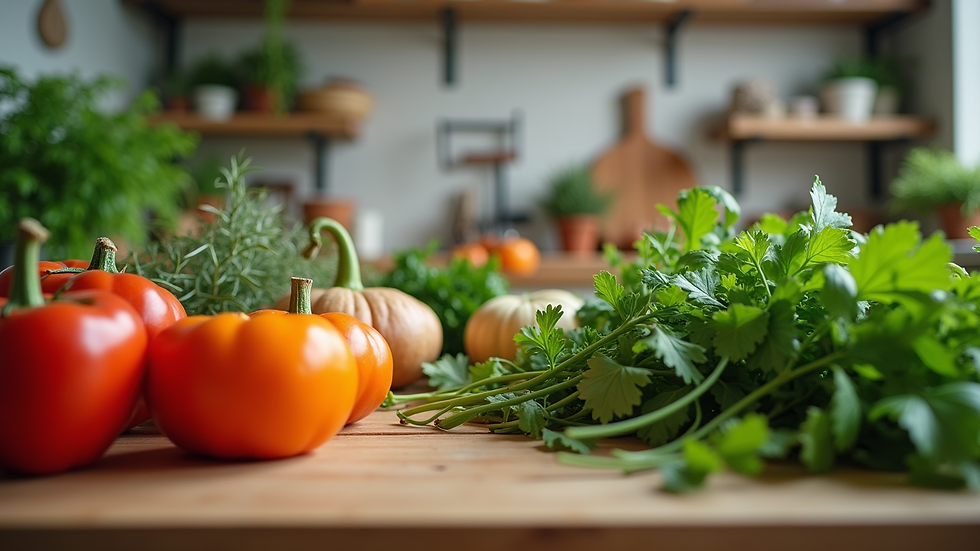
Eat a variety of colorful fruits and vegetables - Berries, spinach, kale, and carrots are excellent choices.
Include nuts and seeds - Almonds, walnuts, and sunflower seeds provide vitamin E and other antioxidants.
Drink green tea or herbal teas - These beverages contain polyphenols, powerful antioxidants.
Use herbs and spices - Turmeric, cinnamon, and oregano add flavor and antioxidant properties.
Limit processed foods and sugars - These can increase oxidative stress and reduce antioxidant effectiveness.
By following these steps, you support your body's defense system against aging-related damage.
Regular physical activity also enhances your body's antioxidant defenses. Exercise stimulates the production of natural antioxidants and improves circulation, which helps deliver nutrients to your cells.
Do Antioxidants Help with Aging?
You might wonder if antioxidants truly make a difference in aging. Research shows that antioxidants can slow some signs of aging by protecting cells from damage. For example, antioxidants help maintain skin health by reducing wrinkles and improving hydration.
Moreover, antioxidants support brain health by protecting neurons from oxidative damage. This may reduce the risk of cognitive decline and neurodegenerative diseases.
However, antioxidants are not a cure-all. They work best as part of a balanced lifestyle that includes a healthy diet, regular exercise, stress management, and adequate sleep.
It is also important to avoid excessive antioxidant supplementation. High doses of some antioxidants can have adverse effects or interfere with medications. Always consult a healthcare professional before starting any supplement regimen.
The Science Behind Antioxidants and Aging
The relationship between antioxidants and aging is complex. Oxidative stress occurs when free radicals overwhelm the body's antioxidant defenses. This imbalance leads to cellular damage, inflammation, and tissue deterioration.
Antioxidants neutralize free radicals by donating electrons, stabilizing these reactive molecules. This process helps prevent damage to lipids, proteins, and DNA, which are critical for cell function.
Studies have linked oxidative stress to age-related conditions such as cardiovascular disease, arthritis, and certain cancers. By reducing oxidative stress, antioxidants may lower the risk of these diseases and promote longevity.
In addition to dietary antioxidants, your body produces enzymes like superoxide dismutase and glutathione peroxidase. These enzymes play a vital role in maintaining cellular health. Supporting your body's natural antioxidant system through nutrition and lifestyle is essential for healthy aging.
Practical Tips for Maximizing Antioxidant Benefits
To get the most from antioxidants, consider these practical tips:
Choose whole foods over supplements - Whole foods provide a balanced mix of antioxidants and other nutrients.
Eat seasonal and local produce - Freshness preserves antioxidant content.
Prepare foods gently - Steaming or raw consumption retains more antioxidants than frying or boiling.
Stay hydrated - Water supports cellular functions and helps flush toxins.
Avoid smoking and excessive alcohol - Both increase oxidative stress and deplete antioxidants.
By integrating these habits, you create a supportive environment for your body's defenses.
Embracing a Holistic Approach to Aging Gracefully
Antioxidants are a valuable tool in your journey toward graceful aging. They help protect your body from damage and support vital functions. However, they are most effective when combined with a holistic approach.
Focus on balanced nutrition, regular physical activity, stress reduction, and quality sleep. These elements work together to enhance your body's resilience and vitality.
If you are considering aesthetic or longevity treatments, understanding the role of antioxidants can complement your efforts. A comprehensive plan that includes nutrition and medical care offers the best chance for lasting results.
By taking these steps, you invest in your health and well-being for years to come.


Comments